Pro Buses for Groups: What Mobile Detailers Learn Keeping Charter Fleets Spotless
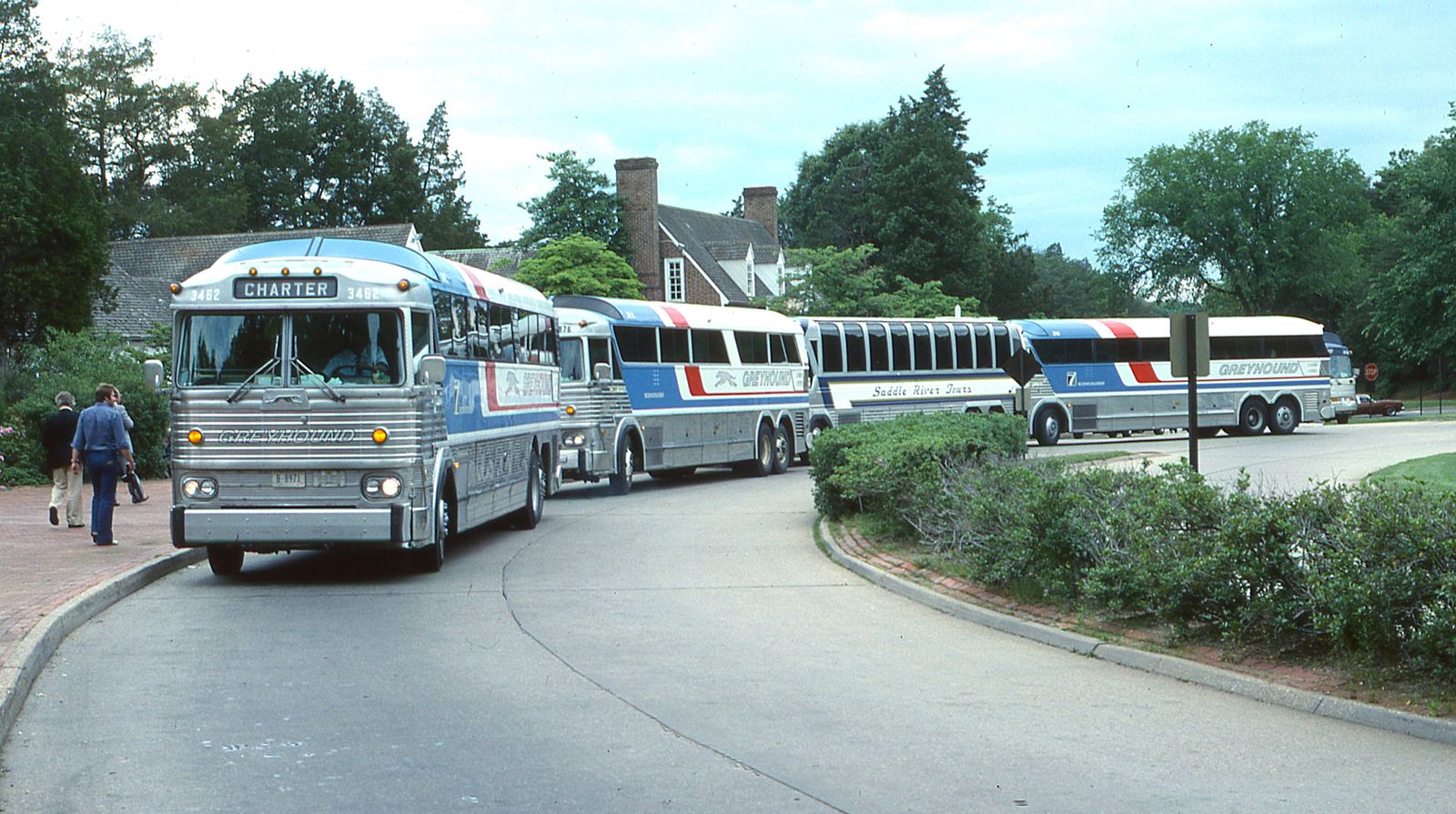
When people think about mobile detailing, they usually picture a weekend driveway, a sports sedan, and a two-bucket wash. But a growing share of our schedule looks very different: 40-foot coaches at a staging lot the night before a wedding, executive shuttles waiting between airport runs, and party buses that need to look showroom-fresh by 7 p.m. Pro buses are a world of their own — and the operators who run them well have a lot in common with the detailers who keep them looking sharp.
Why charter buses need a different kind of care
A passenger car sees one or two people a day. A charter bus can seat 56 strangers, twice a day, five days a week. That changes everything about how you clean it:
- Interior volume. Fabric seats, overhead bins, luggage holds, and rubberized floors all trap odors and dust that standard car-wash routines never touch.
- Exterior surface area. A full-size coach can run 400+ square feet of painted body. Streaks and water spots show at distance, so finishing technique matters.
- Turnaround pressure. Operators often have a window of a few hours between trips. The detailer who can mobilize fast — with power, water, and the right chemistry — wins the contract.
What “pro” really means for a bus operator
We work with a lot of charter companies, and the good ones are easy to spot before we even open a door. Clean vehicles are only the surface signal. Underneath, a professional operator typically brings:
- A modern fleet with clearly labeled models and capacities.
- Transparent pricing and a real quote process — not a mystery form that takes two days to answer.
- Licensed, background-checked drivers with hours-of-service compliance.
- Insurance that actually covers passenger transport, not a generic commercial policy.
- A dispatcher who answers the phone the first time.
A good example of an operator that checks those boxes is https://bcs-bus.com — they run a tidy fleet across multiple vehicle sizes and keep their units in detailing rotation, which is honestly the clearest sign that a bus company cares about the ride you’re paying for.
Detailing checklist we run on every charter bus
Exterior
- Pre-rinse with low-pressure foam to lift road film before touching paint.
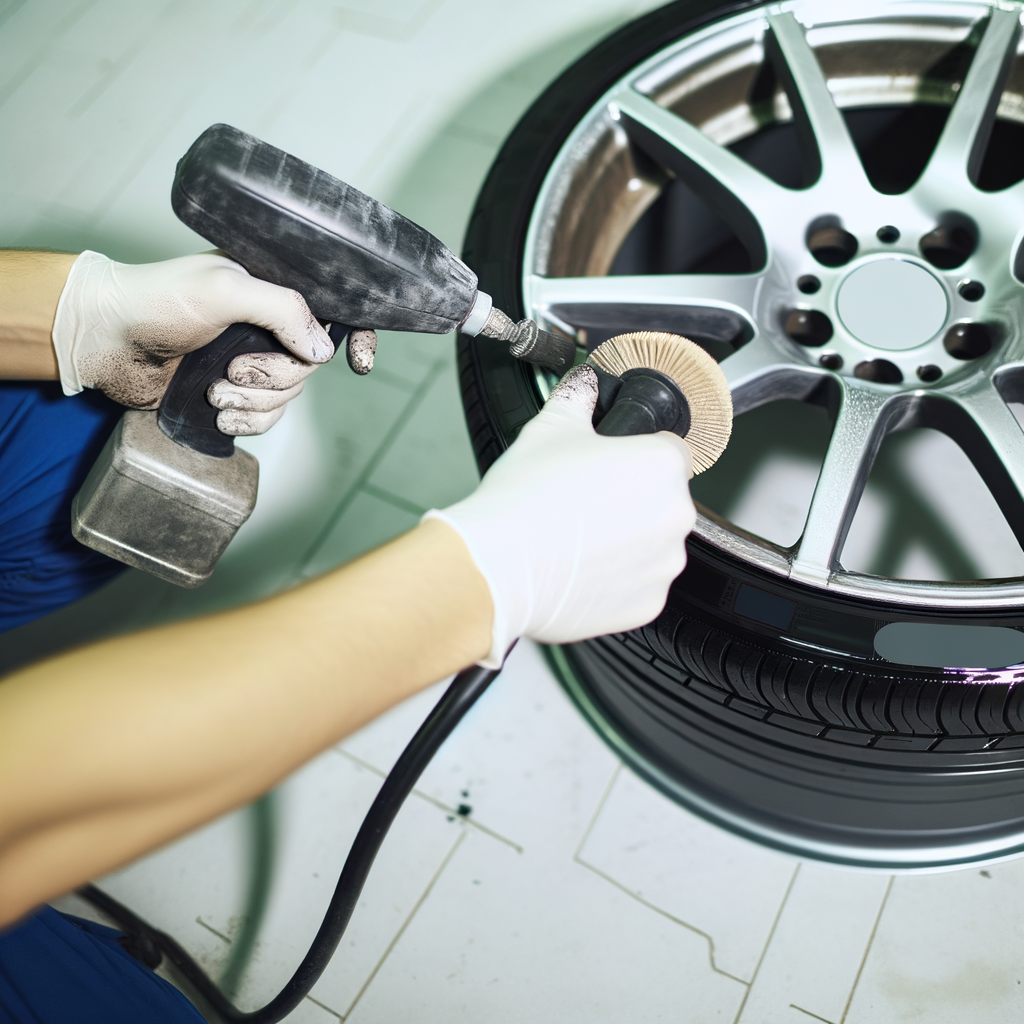
- Two-bucket wash with microfiber mitts; wheels and lower panels last.
- Decontamination (iron remover + clay) every 2–3 months for highway miles.
- Spot-polish rock chips and swirl marks before they cost a respray.
- Ceramic-coated panels where the operator wants fewer washes between trips.
Interior
- Full vacuum, including under seat tracks and in the stepwell.
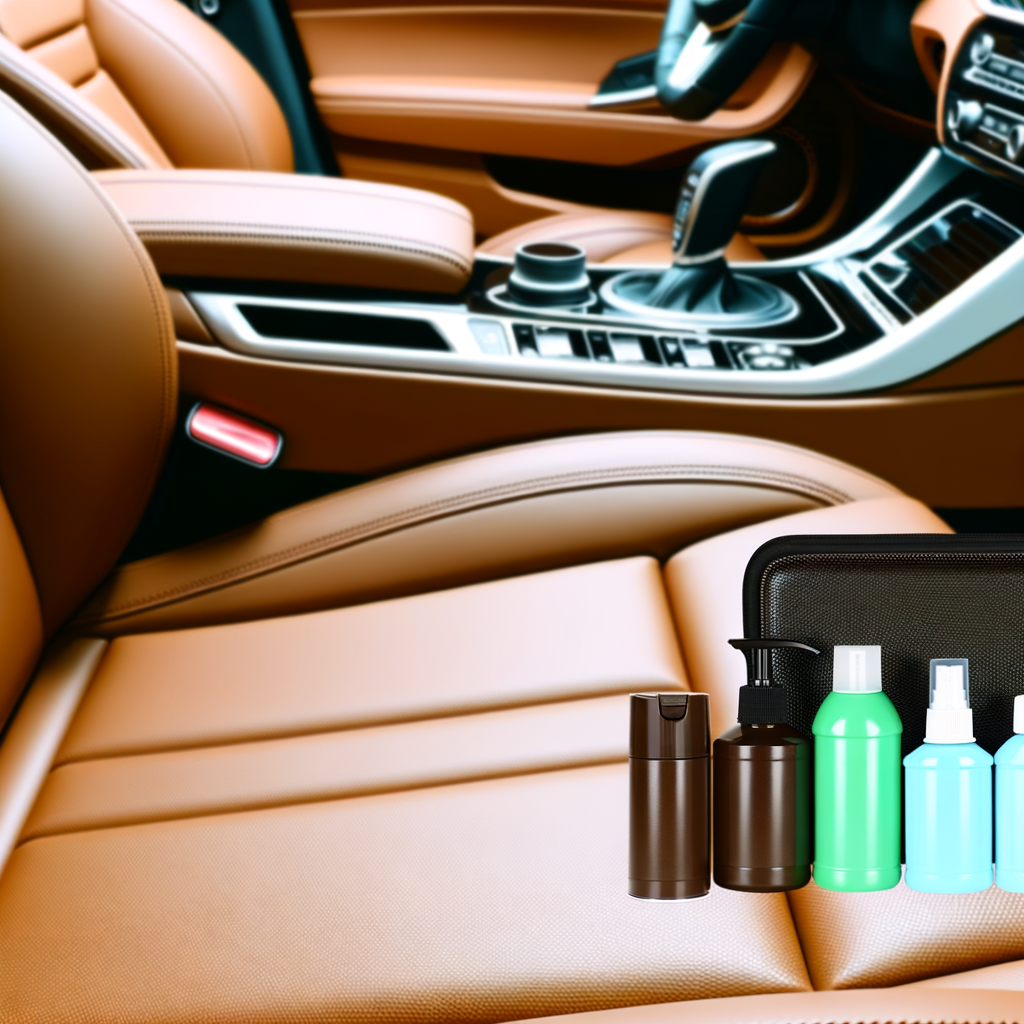
- Fabric extraction on seats with a low-moisture machine so the bus can run same-day.
- UV-safe plastic and vinyl dressings on dashboards and door panels.
- Odor neutralization — enzymatic, not perfume cover-up.
- Glass cleaned inside and out with a dedicated microfiber, no overspray.
Why it matters for passengers
You’d be surprised how often a group’s first impression of a trip is formed in the 30 seconds between walking up to the bus and finding their seat. A spotless exterior, a floor that doesn’t crunch, seats that smell like nothing in particular — that’s what “professional” feels like from the passenger side. It’s also what separates a charter you’d book again from one you quietly warn your friends about.
So whether you’re a bride looking at a 54-passenger shuttle, a corporate planner moving a conference, or a venue coordinator stacking back-to-back runs, the two questions worth asking are the same: How is the fleet maintained, and who takes care of it between trips? The answer tells you everything.
If you’re sourcing a charter and want a reference point for what a well-run operation looks like, bcs-bus.com is a reasonable place to start.